

Stop scrolling through generic travel brochures that treat the Pacific like a swimming pool. Panama’s Wild Coast is a primal battleground where 100 pound Yellowfin Tuna and prehistoric Roosterfish turn expensive gear into scrap metal in seconds. To truly fish in Panama in 2026, you need more than a rod and a flight. You need a tactical roadmap to the most diverse sportfishing ecosystem on earth.
You’ve likely felt the frustration of digging through surface level blogs that can’t tell a Cubera Snapper from a Pargo. These sites leave you guessing about which moon phase to target or which vertical jigging setup to pack. This guide cuts through the noise to give you the exact seasons, species data, and high stakes tactics required to conquer these legendary waters. We are diving into the 2026 migration patterns, the essential trophy list for your bucket list, and the specialized gear setups that separate the elite anglers from the casual tourists.
Key Takeaways
-
Discover why nutrient-rich currents and a sheer continental shelf make the Wild Coast the world’s premier destination to fish in Panama.
-
Learn to distinguish the fighting styles of Black and Blue Marlin while mastering the "Yellowfin Fever" runs that define the legendary Tuna Coast.
-
Unlock the elite tactics needed to conquer primal inshore monsters like the iconic Roosterfish and tackle-busting Cubera Snapper.
-
Identify the perfect window for your expedition, from the peak billfish activity of the Dry Season to the massive Yellowfin hauls of the Green Season.
-
Explore how the Los Buzos "Mother Ship" kayak experience transforms sportfishing into a raw, hands-on battle with the ocean’s giants.
Table of Contents
Why Panama is the World’s Sportfishing Epicenter in 2026
Panama sits at a unique geological crossroads. Scientists call it the Bridge of the Americas. This narrow strip of land forces nutrient-dense currents from the Atlantic and Pacific to converge on each respective coast. It creates a biological explosion. When you look for world-class sportfishing, this is where the map ends. The numbers don’t lie. Over 250 IGFA world records have been hauled out of these waters since record-keeping began. That isn’t a fluke of luck; it’s a result of pure geography. The continental shelf sits remarkably close to the shoreline here. In most global destinations, you’d run 50 miles to find the blue water. In Panama, the drop-off happens within sight of the beach. You’re targeting pelagic giants while still smelling the jungle. This proximity makes the fish in panama more accessible than anywhere else on the planet.
Success isn’t just about the catch; it’s about the future of the resource. The commitment to sustainable fishing in Panama has reached a peak in 2026. Strict catch-and-release mandates for billfish and localized protection of spawning grounds ensure the population remains primal. When you hunt for fish in panama, you’re stepping into a managed paradise where the ecosystem is respected as much as the sport.
The Biodiversity of the Wild Coast
The Wild Coast is a chaotic transition zone where reef dwellers meet pelagic predators. Massive volcanic underwater structures rise from the depths, acting as magnets for baitfish. These submerged mountains create upwellings that push nutrients to the surface. Data from 2025 expeditions showed a 15% increase in average trophy sizes for Cubera Snapper and Roosterfish compared to 2020. This resurgence is the direct result of expanded marine protected areas. You aren’t just fishing; you’re witnessing an ocean in its most aggressive, healthy state.
Offshore vs. Inshore: A Dual-Threat Destination
The boundary between the reef and the blue water is razor-thin here. You don’t need to run 50 miles for Marlin or Yellowfin Tuna. Often, the 1,000-fathom line is just a short sprint from the coast. This creates a dual-threat environment. You can spend your morning wrestling a 50-pound Roosterfish in the surf and Black Marlin on near shore shallow reefs and then your afternoon chasing Tunas, Mahi and Blue Marlin just a few miles offshore in the deep. The logistical ease of accessing these remote Pacific waters means more time with your line in the water and less time burning fuel. It’s high-octane angling without the typical offshore grind.
Targeting the Pelagic Giants: Tuna and Billfish
Panama’s Wild Coast isn’t just a destination; it’s a battlefield where the ocean’s most powerful predators test your gear and your resolve. When you fish in Panama, you’re stepping into a primal arena where 200lb tunas and thousand-pound marlin dictate the rules of engagement. This isn’t about sitting in a fighting chair. It’s about the raw, visceral connection between angler and beast. The legendary Tuna Coast runs are famous for a reason. They offer some of the most consistent, high-octane action on the planet for those willing to hunt the deep blue. The panama fishing stories born from these waters — including 500-pound Black Marlin towing kayaks miles offshore — are the stuff of legend.
Yellowfin Tuna: The Pride of Panama
Experience "Yellowfin Fever" as the horizon explodes with white water. Look for the massive pods of spotted dolphins; they often travel with schools of tuna, creating a chaotic "boil" on the surface. For the 2026 season, February through June remains the prime window to target triple digit Tuna. Arm yourself with heavy-duty spinning reels and 80lb braid to handle the initial blistering run. Throwing a massive topwater popper into the heart of a feeding frenzy is the ultimate adrenaline spike. The explosive surface strikes are violent and unforgettable.
The Billfish Hunt: Marlin and Sailfish
Black Marlin rule the submerged pinnacles and reefs, while Blue Marlin patrol the deep water along the continental drop-off. These apex predators are known for sheer power and stubbornness. Blues are the high-speed sprinters of the deep. If you’re chasing the acrobatic Pacific Sailfish, watch for their sails cutting the surface or look for frigate birds hovering low. Live baiting is the gold standard here. Rig a live Bonito or Blue Runner and wait for the reel to scream. We prioritize the health of these world-class stocks. Strict catch and release protocols ensure these giants survive. If you’re ready to test your limits against these legends, booking a remote expedition is the first step.
Wahoo and Dorado: The Bycatch of Kings
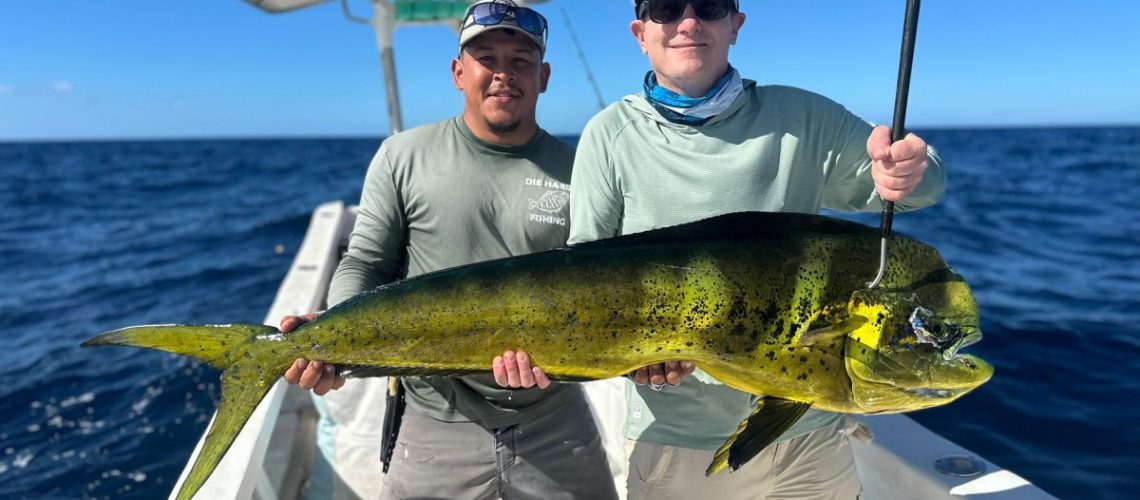
Dorado, also known as Mahi-Mahi, are the most vibrant fish in Panama. Search for floating debris or weed lines where they congregate in massive numbers. They grow fast and hit hard, especially during the rainy season peaks from May to November. Wahoo are the striped bullets of the sea. Successful hookups require high-speed trolling tactics and mandatory wire leaders to survive their razor-sharp teeth. These predators can reach speeds of 60 mph, turning a quiet morning into a frantic scramble in seconds. Both species provide incredible table fare and a relentless fight.
The Inshore Brawl: Roosterfish and Cubera Snapper
The inshore waters of the Pacific coast aren’t a place for the faint of heart. This is where the ocean’s most violent predators lurk among volcanic rocks and crashing surf. When you hunt for fish in Panama, you’re signing up for a physical confrontation that tests your gear and your grit. While the offshore grounds get the glory, the inshore brawl is where legends are made. It’s a world of white-water strikes and gear-shredding power.
Roosterfish: The Holy Grail of the Surf Line
Anglers travel from every corner of the globe to see the iconic seven-spined dorsal fin slice through the turquoise water. These "Combs" are the undisputed kings of the surf line. Targeting them requires precision; you’ll often find yourself casting poppers directly into the wash of rocky points or along white-sand beaches. The strike is explosive. A 50lb Roosterfish doesn’t just pull line; it screams across the shallows in a high-speed chase that leaves your heart pounding. Panama remains the premier global destination for these trophies because our remote coastlines provide the untouched habitat they need to reach massive sizes, with 80-pounders being a real possibility in these waters.
Cubera Snapper: The Ultimate Test of Strength
If the Roosterfish is a sprinter, the Cubera Snapper is a heavyweight brawler. Often called "Reef Bushes" for their ability to dive deep into cover, these fish are the ultimate tackle-busters. You have exactly five seconds to win this fight. If you can’t stop a 60lb Cubera from reaching its rocky hole in those first five seconds, the battle is over and your line is shredded. Whether you’re vertical jigging or dropping live bait, the initial hit feels like hooking a moving truck. In the remote Pacific zones of the Azuero Peninsula, we regularly see specimens pushing 80 pounds, requiring heavy drags and unwavering focus. Read some of the most gripping legendary battles from the Wild Coast to understand what these encounters truly feel like from the seat of a kayak.
The Heavyweights of the Deep Rock
The brawl doesn’t end with Snappers and Roosters. Broomtail Grouper, Almaco Jacks, Giant Bluefin Trevally and African Pompano patrol the deeper rocky bottoms, adding a layer of unpredictability to every drop. Use these tactics to stay in the fight:
-
Vertical Jigging: Drop 150g to 300g jigs for Almaco Jacks and Broomtail Grouper that hit like freight trains.
-
Stealth Approach: Approach rocky pinnacles quietly to avoid spooking schools of African Pompano.
-
Heavy Leader: Use 80lb to 100lb mono or fluorocarbon to survive the abrasive volcanic rock.
Choosing to kayak fishing Panama gives you a distinct stealth advantage in these environments. Without the drone of a loud outboard motor, you can glide over shallow reefs and sit directly on top of the strike zone without alerting the giants below. It’s a primal, one-on-one encounter that puts you at eye level with the greatest predators in the Pacific. It’s just you, your plastic hull, and the most aggressive fish in Panama.
Mastering the Seasons: When to Launch Your Hunt
Timing your strike is as critical as your drag setting. Panama doesn’t just offer fishing; it offers year round options with seasonal shifts that dictate exactly which monsters you’ll wrestle. The Dry Season, stretching from January through April, brings the heat and the wind. These months represent the peak of the offshore big Tuna and Blue Marlin run. You’ll encounter the Panama Jet winds kicking up from the north, which cool the surface and push nutrient-rich water offshore. Follow the spinner dolphin offshore to find the massive schools of tuna with the big predators lurking below. Cast poppers into the mayhem or troll the perimeters down deeper to pick off the big boys.
This Green Season brings tropical rain, but it also brings schools of bonito and other bait. This creates a primal playground for Trophy Roosterfish Black Marlin and Sailfish patrolling the near shore reefs in 70-150 ft of water.
For 2026, savvy anglers are already eyeing the lunar cycles. The full moons provide massive tidal movements that trigger aggressive feeding windows for top predators. Planning your hunt around these lunar peaks ensures you’re on the water when the fish in panama are most active. Big tides move big bait, and big bait brings the trophies within reach of your kayak.
Month-by-Month Species Calendar
-
Late January to March: The arrival of the big Yellowfin Tuna schools. You’ll see the ocean surface boil as these predators corral bait balls. It’s high-octane topwater action at its finest. The tuna schools also bring an annual migration of smaller Blue Marlin.
-
April to June: The blue water is pushed close to the coast, making trophy billfish accessible even for those staying closer to the reefs. The wane of the big Yellowfin Tuna schools still offers the option of great inshore and offshore action in the same day.
-
July to Mid January: While the afternoon rains increase, the inshore action picks up. This is the prime window for consistent mixed bags, including massive Roosterfish, Cubera Snapper, Broomtail Grouper, Bluefin Trevally, African Pompano and more. This is peak kayak season where the lighter winds open of more opportunities along the coast in both directions.
Weather and Sea Conditions
Average water temperatures in the Wild Coast region hover between 80 and 85 degrees Fahrenheit. This warmth drives the metabolic rates of baitfish, keeping the entire food chain in a state of constant motion. Visibility is usually good, often exceeding 50 feet in the offshore corridors. This clarity makes vertical jigging a visual thrill, as you can often see the shadow of a predator rising from the depths to crush your metal.
Preparation is your best tool against the elements. Pack high-performance technical apparel. You need UPF 50+ shirts to survive the relentless tropical sun and a lightweight, breathable rain shell for the sudden afternoon squalls that define the Green Season. This isn’t a place for casual gear; the environment demands equipment that can handle salt, sweat, and spray. When you target fish in panama, you’re entering a wild arena where the weather is as dynamic as the species you’re hunting.
Ready to test your mettle against the giants of the Pacific? Secure your spot on the Wild Coast and book your 2026 expedition today.
The Los Buzos Advantage: Conquering the Wild Coast
Dominate the Pacific from the seat of a specialized fishing kayak. At Los Buzos, we don’t just take you to the water; we put you directly into the strike zone of the legendary Wild Coast. This stretch of the Azuero Peninsula remains one of the few places on earth where you can fish in panama without the interference of commercial fleets or crowded marinas. Our signature Mother Ship experience changes the game entirely. We use professional panga support to transport you and your gear to remote reefs that haven’t seen a lure in months. It’s a high-octane approach that ensures every drop counts. As the premier Panama fishing resort, we provide a seamless transition from the rugged, raw energy of the deep blue to the comfort of our luxury lodge.
Our all-inclusive packages remove the guesswork from your expedition. From the moment you land in Panama City, every detail is managed. You get air-conditioned accommodations, chef-prepared meals, and a fleet of Lightning and Hobie kayaks rigged for battle. This isn’t a standard fishing trip; it’s a tactical mission into untouched territory.
Kayak vs. Panga: Choose Your Weapon
Stealth is your greatest asset in these waters. The silence of a kayak allows you to drift over skittish trophy species without the vibration of an engine scaring them off. You’ll feel every head shake and every violent run with a directness that boat fishing simply can’t match. It’s just you, the paddle, and a massive Cubera Snapper trying to drag you into the rocks.
When the tuna boils erupt two miles offshore, our panga fleet provides the speed and range to get you there fast. We also load the kayaks onto the pangas to reach more distant reefs and pinnacles down the coast. This hybrid strategy maximizes your hook-up rates by combining the technical precision of vertical jigging with the mobility of a modern sportfishing operation. You choose the pace. We provide the platform for success. Our weekly schedules are flexible, allowing us to pivot based on tide charts and bait movements to keep the rods bent.
Beyond the Bite: The Los Buzos Community
Success on the Wild Coast requires more than just high-end gear; it requires local intelligence. Our professional guides live on these shores year-round. They track seasonal migrations and reef health to ensure you’re always in the right spot at the right time. They aren’t just employees; they’re fellow explorers who live for the hunt.
The experience extends beyond the shoreline into our 400-acre private reserve. This massive estate offers a sanctuary for the whole family, featuring jungle trails and private beaches that feel worlds away from civilization. It’s the perfect environment to recharge before another day of offshore adrenaline. Booking your 2026 expedition now is critical. Prime moon cycles and peak seasons for Black Marlin and Roosterfish fill up over a year in advance. Secure your spot in the lineup and prepare for the most intense fish in panama experience of your life.
-
Expert Logistics: Full transport from Panama City included.
-
Top-Tier Gear: Access to the latest Lightning Kayaks and the original Hobie MirageDrive kayaks – both built on the same hull design considered the best ever for offshore kayaking.
-
Elite Guiding: Experiences guides lead every group of anglers to ensure personal attention.
-
Remote Access: Fishing spots that are inaccessible to land-based anglers.
Command the Wild Coast in 2026
The Wild Coast doesn’t wait for the timid. In 2026, the convergence of nutrient-rich currents and untouched underwater seamounts makes this the definitive year to hunt legendary species. You’ve seen how the seasonal shifts dictate the arrival of triple digit Yellowfin Tuna and why the vertical walls of the Azuero Peninsula hold the world’s most aggressive Cubera Snapper. This isn’t just another fishing trip; it’s a primal test of skill against the ocean’s most powerful predators.
When you choose to fish in Panama with Los Buzos, you aren’t just hiring a boat. You’re gaining exclusive access to the Wild Coast alongside our world-record holding guides who have documented hundreds trophy catches. We put you in the seat of top-tier Lightning and Hobie fishing kayaks, stripping away the noise of diesel engines to bring you eye-to-eye with the hunt. The 2026 calendar is already filling with elite anglers ready to claim their legacy. Don’t let your bucket-list trophy remain a distant dream.
Claim Your Spot on the Wild Coast: Book Your 2026 Expedition
The water is calling. It’s time to answer.
Frequently Asked Questions
Is fishing in Panama good for beginners?
Yes, Panama provides a perfect entry point for those looking to master the sport. You can target the calmer inshore waters where Snapper and Jack Crevalle offer relentless action without the intimidation of the open deep. Our guides provide hands-on training to ensure you hook your first trophy. When you fish in Panama, the sheer volume of strikes ensures every beginner leaves with the skills of a seasoned pro. Try our Deluxe Sportfishing Package which provides 1 on 1 instruction from the guide and panga to help you develop your comfort level offshore in a kayak.
What is the best month to catch Yellowfin Tuna in Panama?
Peak Yellowfin Tuna season runs from February through May. During these 4 months, massive schools of tuna with triple digit cows migrate through the Azuero Peninsula. You’ll witness the ocean boil as these predators crush bait balls near the surface. It’s a high-octane window that offers your best shot at a personal best in these remote, untouched waters.
Can I keep the fish I catch at Los Buzos?
We keep a portion of what we catch to enjoy at our lodge’s dinner table. We follow a strict catch and cook policy for sustainable species like Tuna and Dorado, ensuring nothing goes to waste. However, we mandate 100 percent catch and release for Roosterfish, Giant Cuberas and all Billfish species. This commitment protects the legendary Wild Coast for future generations of explorers.
What happens if the weather is too rough for kayak fishing?
With our new mothership we can almost always locate you to protected inshore zones if offshore conditions become too aggressive. Safety is paramount, but without those pesky hurricanes which do not come here you rarely miss out on any action. Our team monitors real-time satellite data to find best direction to target to put you where the fish are still biting hard.
How much does a week-long all-inclusive fishing trip cost in Panama?
Industry data shows that a premium, all-inclusive sportfishing week in Panama typically ranges from $3,500 to $7,000. These rates generally cover your lodging, meals, expert guides, and high-end gear. At Los Buzos our all inclusive kayak group package starts at $2500 with the fully tricked out Deluxe Sportfishing Option running $3750. You can choose from a wide range of accommodations from a simple lodge room to a private beach front home.
While prices vary based on the level of luxury and remote access, investing in a specialized operation ensures you reach the most productive, untouched waters on the coast.
Do I need to bring my own fishing tackle and gear?
No, you don’t need to haul your own gear across the globe. We equip every guest with a world class arsenal of Shimano and Penn reels paired with custom rods built for the grit of the Pacific. If you have a lucky lure or a specific jig, feel free to pack it. Sportfishing packages have all gear built in while our kayak package offers gear as an optional add on. Most anglers find our specialized kayak setups are perfectly tuned for the local monsters.