

25 Years of Sustainability, Built to Last
A 300-acre private reserve regrown from working pastureland, a fishing culture that traded the kill for the release, and a local team trained from the ground up — featured on Forbes LATAM's "Panama Invest in Tourism" Oceans panel.
Our StorySustainability That Has to Pay For Itself
Conservation efforts that don't generate their own value rarely survive contact with reality. Los Buzos was built around a different premise.
Morris Palmer, owner of Los Buzos, was invited to speak on the Oceans panel at Forbes LATAM's "Panama Invest in Tourism" forum, alongside René Gómez of Scuba Panamá and Annie Young of the Panamanian Sustainable Tourism Foundation, on building sustainable tourism through ocean and water care. His answer, in short: sustainable development only works long-term if it's also profitable. Good intentions don't protect a forest. A working business model does, because it gives everyone involved a reason to keep protecting it.
That principle runs through everything below: a fishing culture that traded the kill for the release, a 300-acre reserve that regrew itself over 25 years, a local workforce trained instead of imported, and a development partner, Eagle Properties of Panama, that treats the reserve as a long-term asset rather than land waiting to be cleared.
Four Pillars
Pioneering Catch and Release
Roosterfish, Cubera Snapper, and billfish were, for generations, kept and killed by artisanal fishermen working this stretch of coast. Los Buzos was among the first operations in the region to build a real catch-and-release practice around these species, using proper descending devices and handling techniques even when it costs a potential record.
The bigger shift is cultural. Many of the same fishermen who once routinely killed these fish now practice catch, photo, and release themselves, a change in how an entire local fishing community treats the species that made this coastline famous.
Parque Los Buzos: A Reserve You Can See From Space
Over 25 years, 300 acres of Los Buzos property naturally regrew and were protected into what is now a dense wildlife haven, distinct enough from the surrounding cleared land to stand out clearly as a green oasis on satellite imagery.
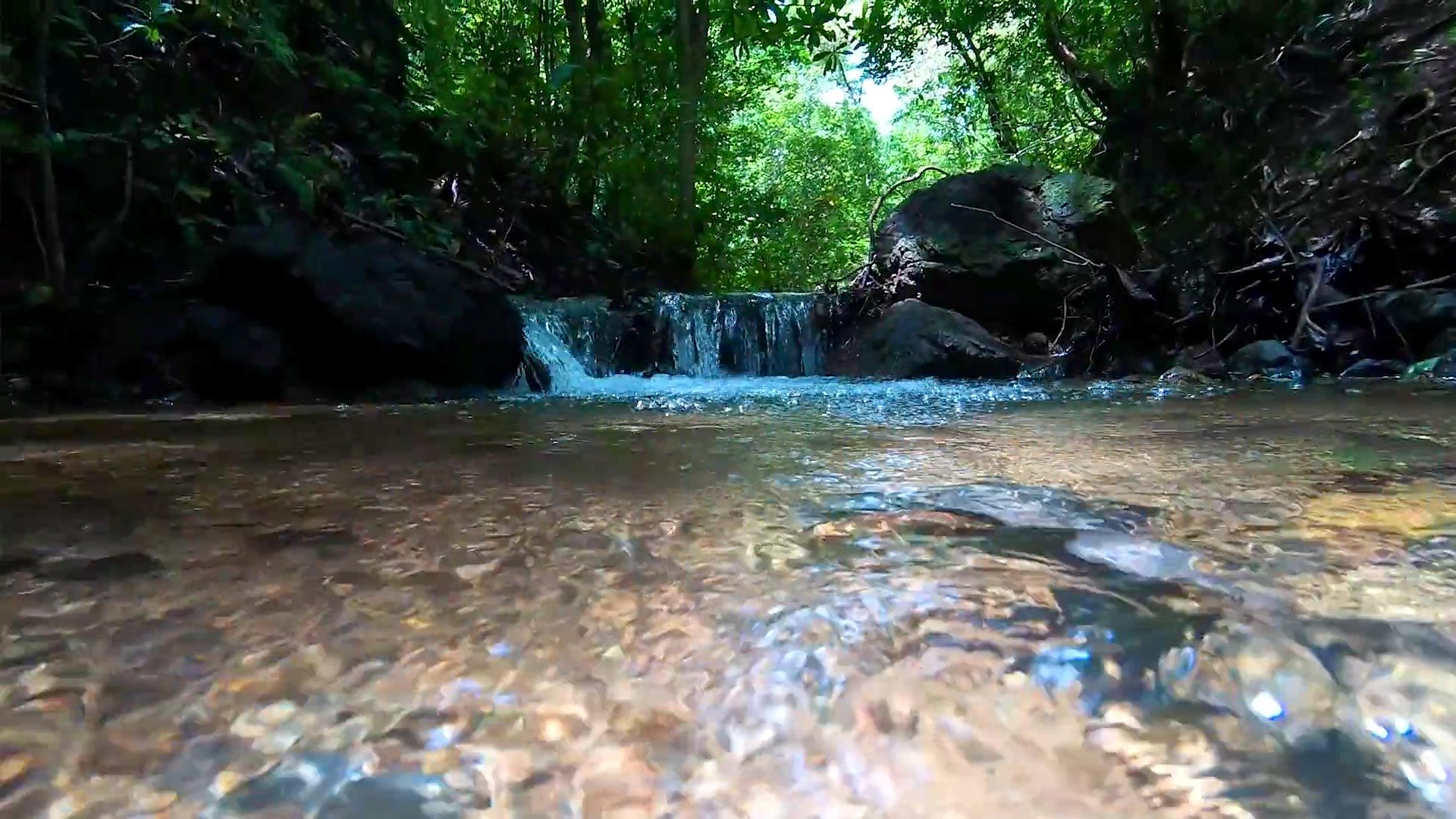
Parque Los Buzos sits along creek corridors that connect naturally to the much larger Cerro Hoya National Park and the La Tronosa forest reserve, both largely inaccessible to visitors on their own. Because of that connectivity, many of the native species resident in those protected areas are now also found inside Parque Los Buzos, reachable by guests through more than 30 kilometers of maintained trails and roads instead of requiring an expedition into terrain almost no tourist ever reaches.
300 acres regrown · 25 years · connected to Cerro Hoya National Park and La Tronosa
A Local Team, Trained Locally
Instead of recruiting foreign staff, Los Buzos trained local residents for jobs that simply didn't exist in this community before, including specialty skills like offshore kayak fishing, guiding, and boat operations and maintenance. That training brought this small community a level of international attention for a service that was previously available almost exclusively in the U.S.
The same approach applies to roles that remote resorts usually import, like chefs. Every member of the current culinary team was sourced and trained locally, with no imported kitchen staff. One early hire, Chef Jose Carles, joined directly out of culinary school and went on to become one of the top chefs in Panama, and has since moved on to a highly regarded kitchen in California.
Community outreach is part of the training itself. Los Buzos began hosting parties for the local public school years ago. Today those same events are run by the resort's own trained chefs, several of whom were among the children attending the earliest parties and now host the same tradition for their own kids.
Profitability as the Engine, Not the Excuse
Eagle Properties of Panama brought 20 years of low-rise, mixed-use coastal development experience from North Florida's beaches to Cambutal, using cluster development techniques that group homesites tightly while setting aside the most ecologically valuable land, Parque Los Buzos, as a shared amenity rather than future inventory.
That decision protects the reserve and creates long-term value for property owners at the same time. Preservation isn't a cost the development absorbs. It's a feature that makes every lot worth more, the same point Morris raised on Forbes LATAM's Oceans panel: sustainability that pays for itself is sustainability that lasts.
The Same Party, a Generation Later
Los Buzos started hosting parties for the local public school before most of our current staff were old enough to attend them.
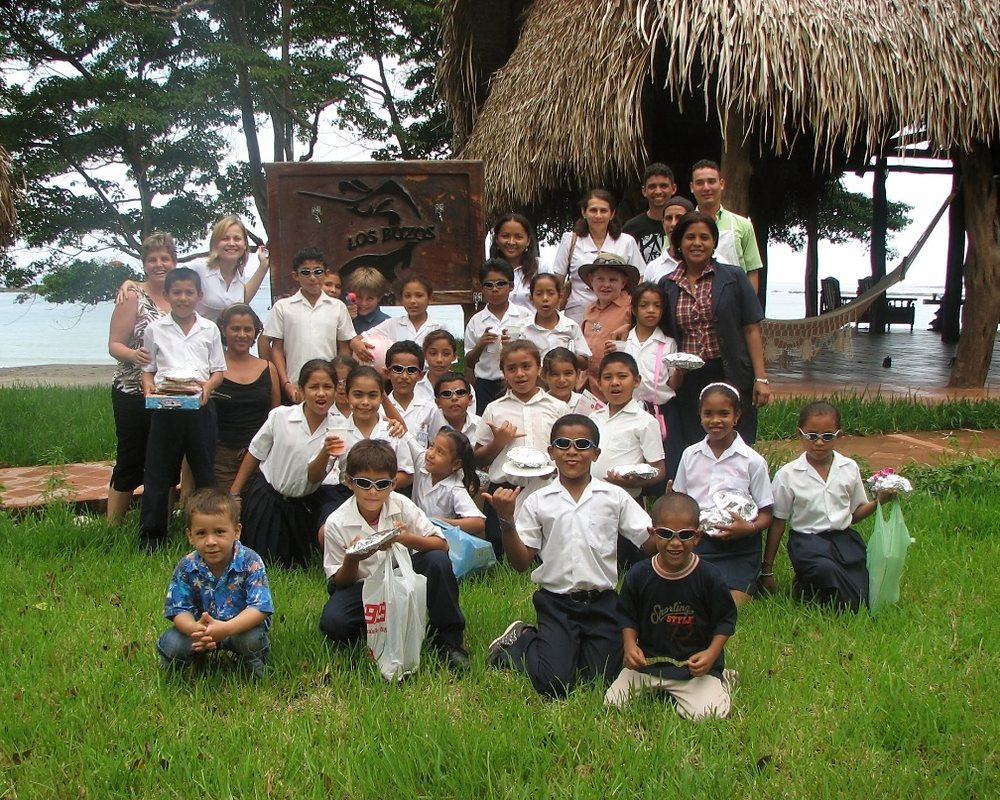
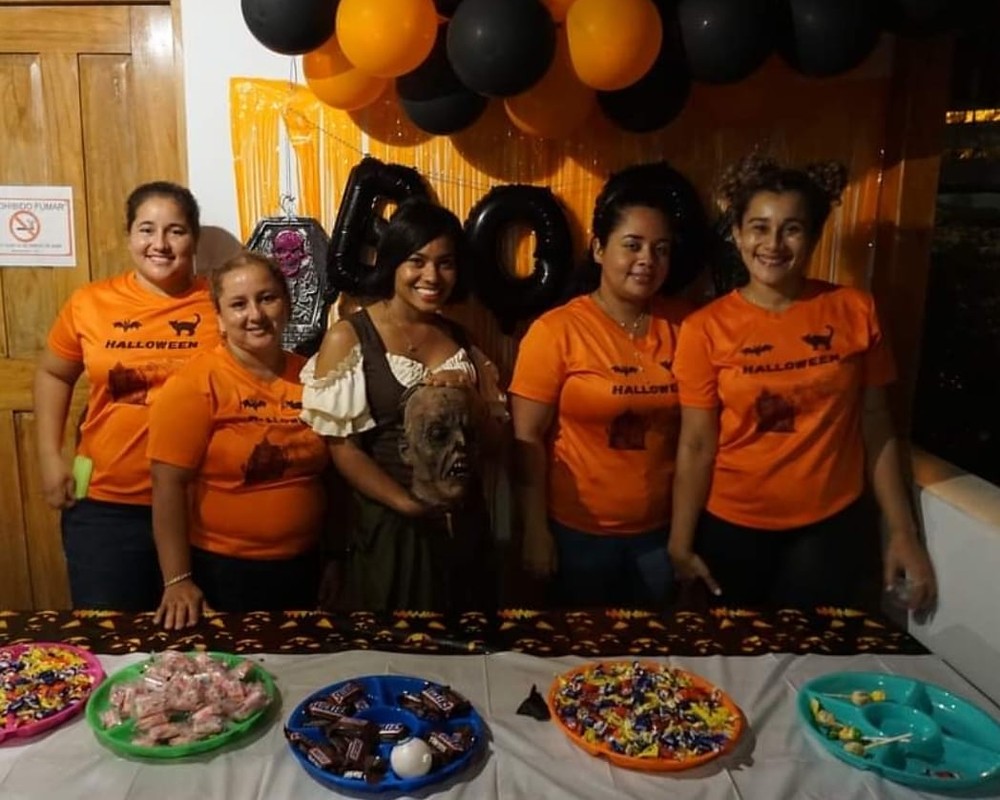
The children in the first photo were guests at one of the earliest parties. Some of them are in the second photo, running it.
"A key element of sustainability is profitability, so that efforts succeed over the long run."
Read Forbes México's coverage of the "Panama Invest in Tourism" forum →
Built on the Same Land, For the Long Term
Parque Los Buzos isn't set aside in spite of the real estate business. It's the reason the real estate business works. Eagle Properties' cluster development model is what makes protecting the reserve and selling lots the same decision instead of a trade-off.
Read about Eagle Properties of Panama →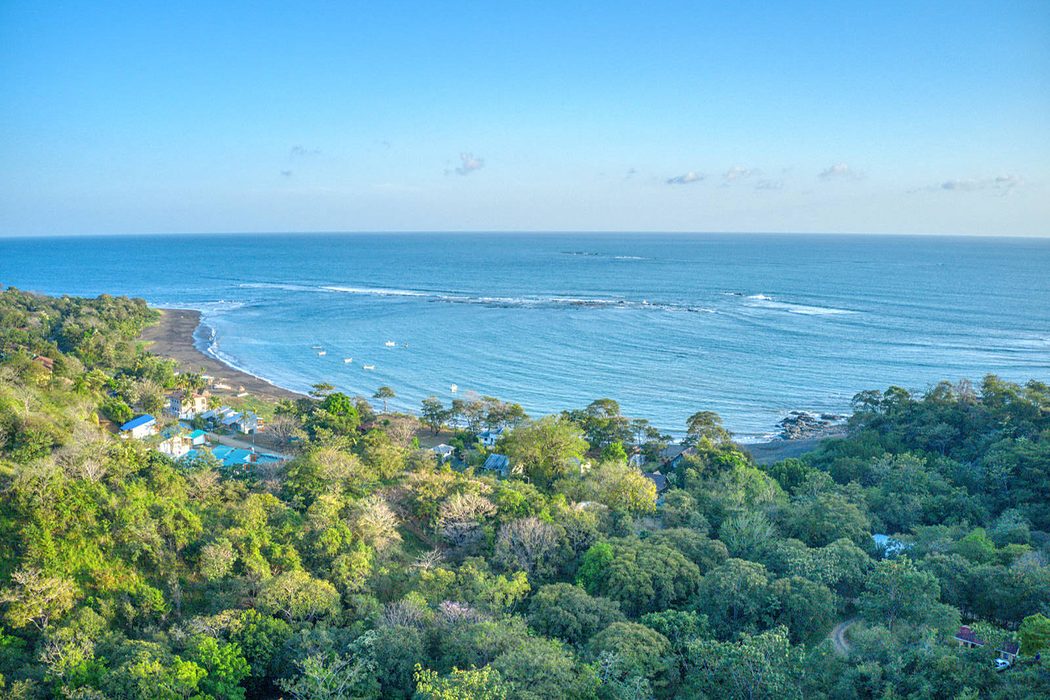
Frequently Asked Questions
Is Los Buzos actually sustainable, or is that just marketing?
The 300-acre Parque Los Buzos reserve regrew and was protected over 25 years with no outside conservation funding, purely through the resort and Eagle Properties' development decisions. It's visible as a distinct green oasis on satellite imagery against the surrounding cleared land, and it now shares species with the much larger Cerro Hoya National Park and La Tronosa reserve via natural creek corridors.
Does Los Buzos practice catch and release?
Yes, and it was one of the first operations in the region to build this practice around Roosterfish, Cubera Snapper, and billfish, including using descending devices even when it costs a potential world record. The practice has spread to local artisanal fishermen who once routinely kept these species.
How does Los Buzos support the local community?
By training local residents instead of importing outside staff, including for specialty roles like kayak fishing guiding and boat operations, and for positions like chef that remote resorts typically fill from outside the area. The resort's culinary team is 100% locally trained, and community outreach, like hosting parties for the local public school, is now run by staff who grew up attending those same events.
Has Los Buzos been recognized publicly for its sustainability work?
Yes. Owner Morris Palmer spoke on the Oceans panel at Forbes LATAM's "Panama Invest in Tourism" forum, alongside representatives from Scuba Panamá and the Panamanian Sustainable Tourism Foundation, discussing how to build sustainable tourism around ocean and water care. Read Forbes México's coverage.
See It For Yourself
Parque Los Buzos, the trails, the reserve, and the wildlife it protects are all part of every stay at Los Buzos.
Make Your Reservation