

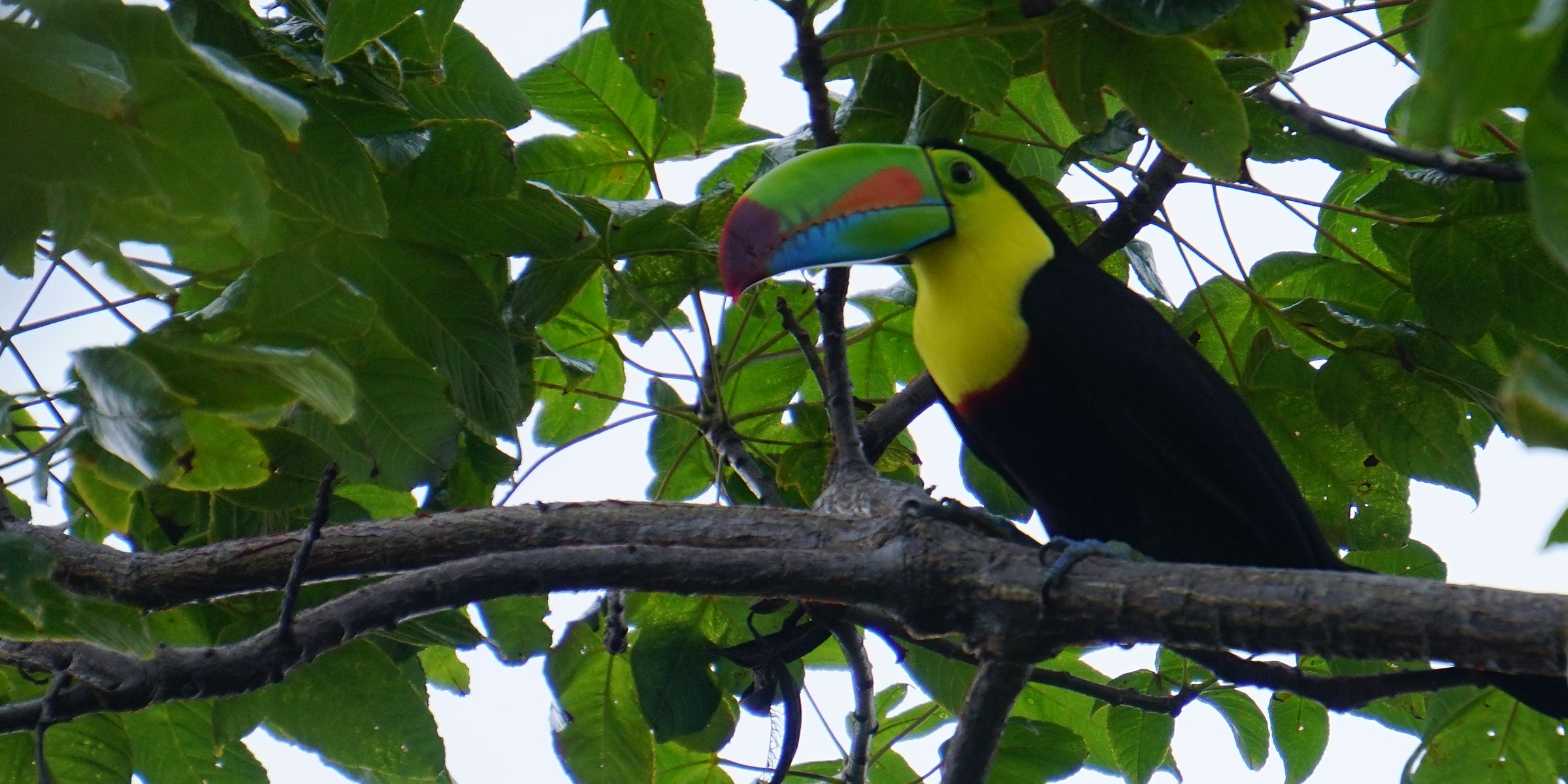
Birding in the Azuero Peninsula
95+ documented species, a resident Spectacled Owl, and one of Panama's highest recorded densities of Great Green Macaw sightings — across four private creek trails minutes from the lodge.
Plan Your TripPanama's Most Underrated Birding Destination
Most visitors come to Los Buzos for the fishing. Step into the foothills of the Cerro Hoya range and you find one of Panama's most overlooked birding destinations.
Panama's birding reputation is built on the cloud forests of Boquete and the famous Pipeline Road near Panama City. The Azuero Peninsula doesn't usually make the shortlist, which is exactly why it's so rewarding once you get here. The Cerro Hoya mountain range creates a rain shadow along the Pacific coast that shapes a specialized tropical dry forest. Deciduous trees shed their leaves in the dry season, the canopy opens up, and the creek ravines become critical refuges for birds and wildlife year round. You won't find this exact community of species anywhere else in Panama.
Los Buzos sits where dry coastal scrub, gallery forest, and humid ravine jungle overlap. Four trails, four creek systems, four distinct micro-ecosystems. Each one holds different species and each one is worth exploring.
Birds to Look For
Species confirmed by visiting naturalists on the Los Buzos trail system, or regularly encountered in the surrounding Cerro Hoya foothills.
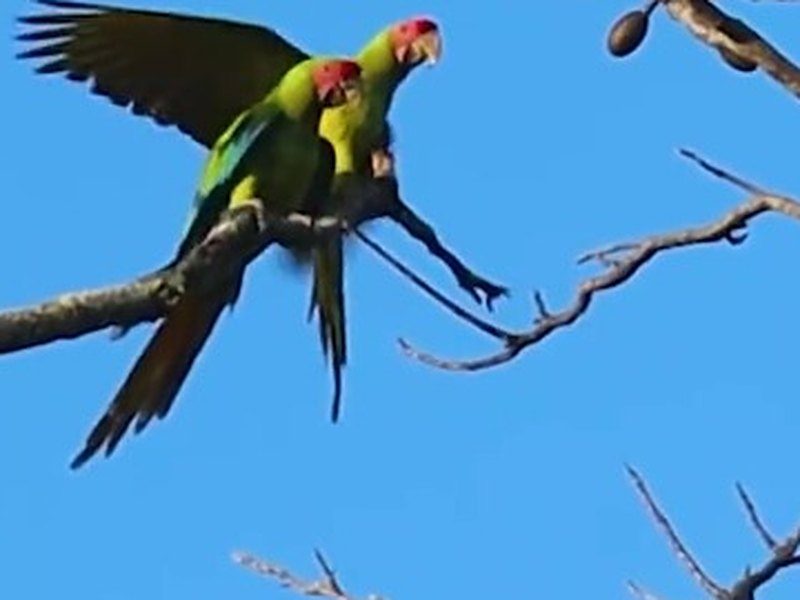
Great Green Macaw
Ara ambiguusCritically endangered globally. One of the highest recorded sighting densities in the most recent annual census came from Salamine Creek, which runs through our Creek Trail.
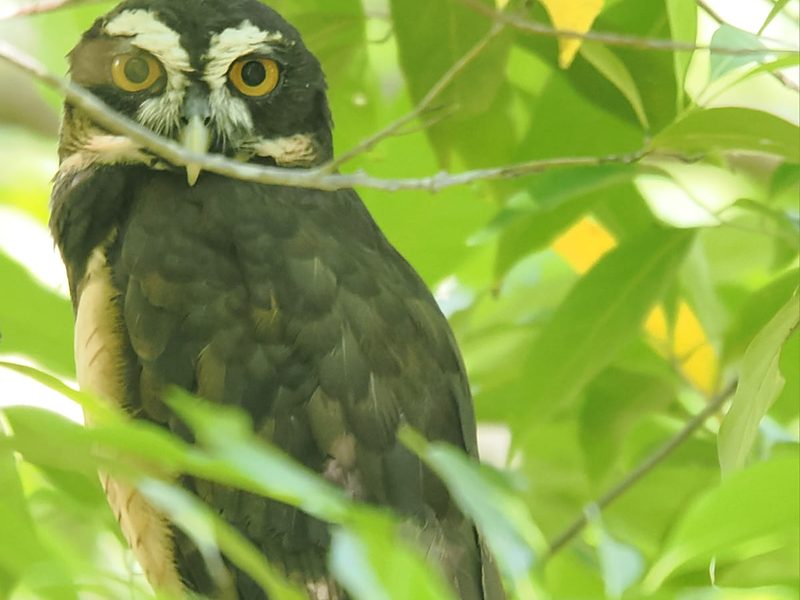
Spectacled Owl
Pulsatrix perspicillataA confirmed long-term resident on the Creek Trail, holding the same territory for over a year. Panama's largest owl, and about as close to a guaranteed sighting as the dry forest offers.
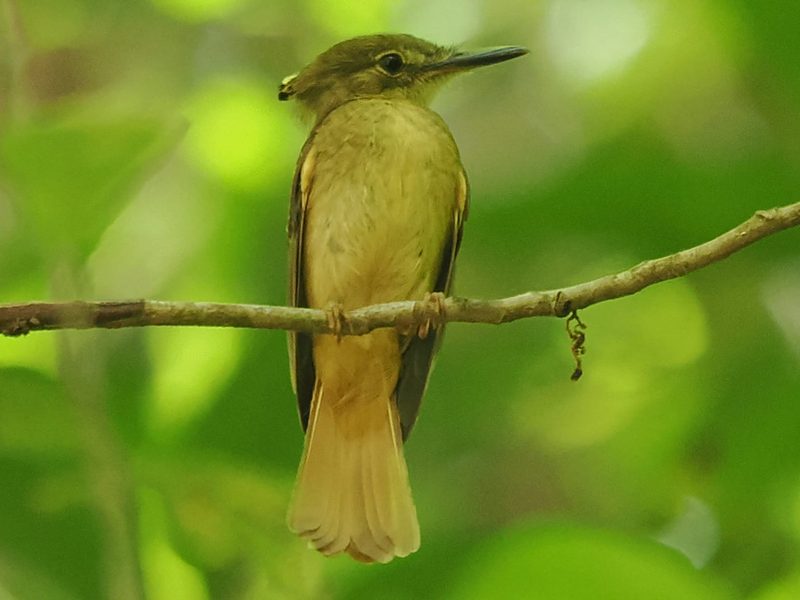
Tropical Royal Flycatcher
Onychorhynchus coronatusA resident pair at the waterfall rocks on the Waterfall Trail. When this bird fans its crest, a sunburst of orange, blue, and black, it's unforgettable.
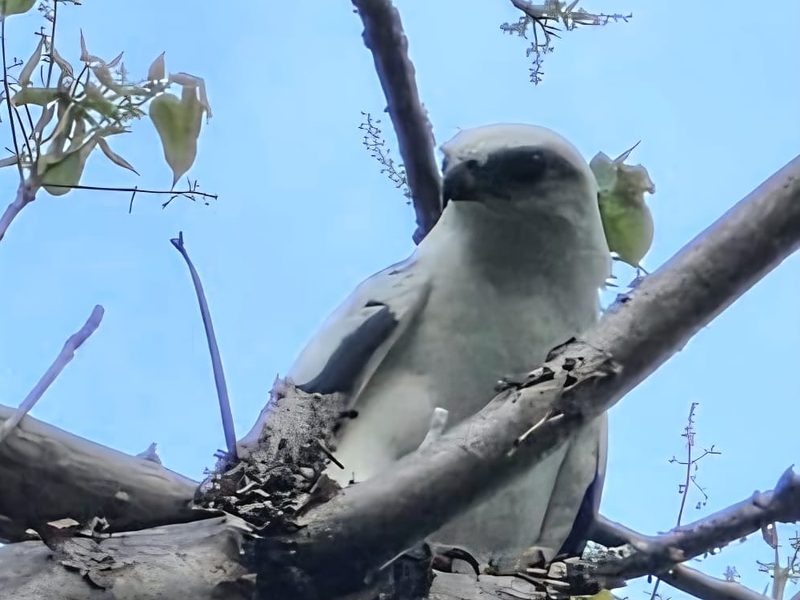
White Hawk
Pseudastur albicollisActively confirmed hunting on the Waterfall Trail, bold enough to hunt in full daylight over the open canopy.
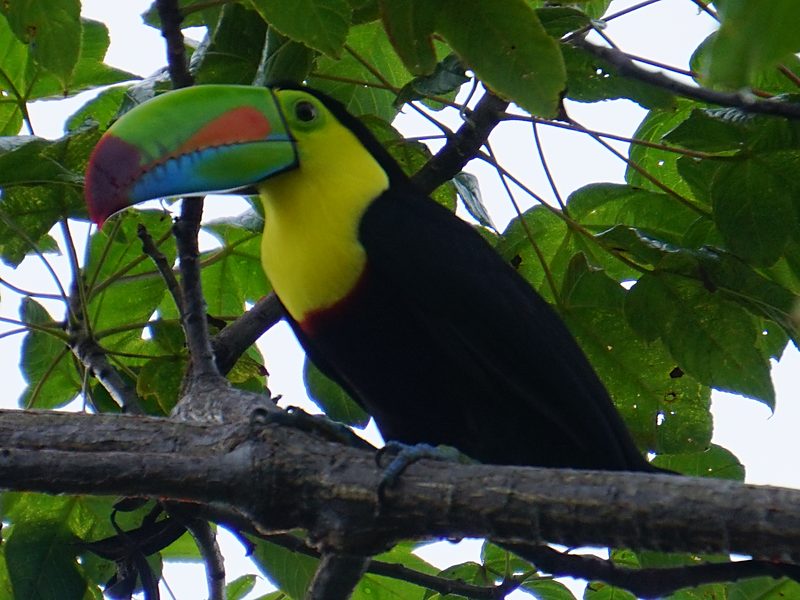
Toucans
Ramphastos spp.Multiple species patrol the canopy, drawn by fruiting trees along the trail corridors. Their calls carry far and usually give away their position first.
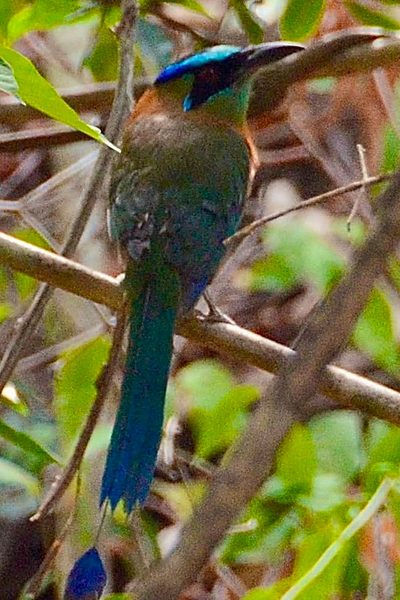
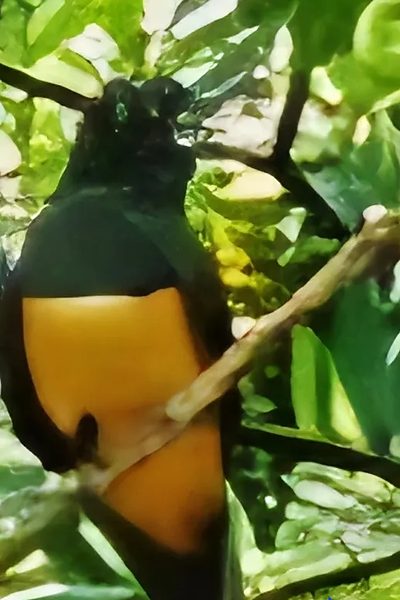
Motmots & Trogons
Momotidae & TrogonidaeSlow-moving, still-perching specialists of the shaded understory along the Mono Titi and Waterfall Trails. Easier to observe once located than most forest birds.
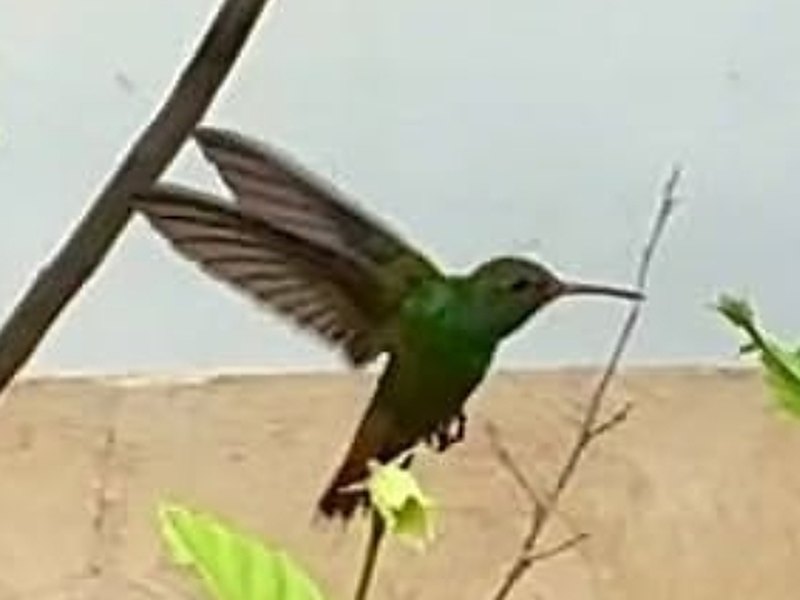
Hummingbirds
Multiple speciesFlowering trees along all four creek trails attract several species, including the Veraguan Mango, a Pacific-slope Panama endemic.
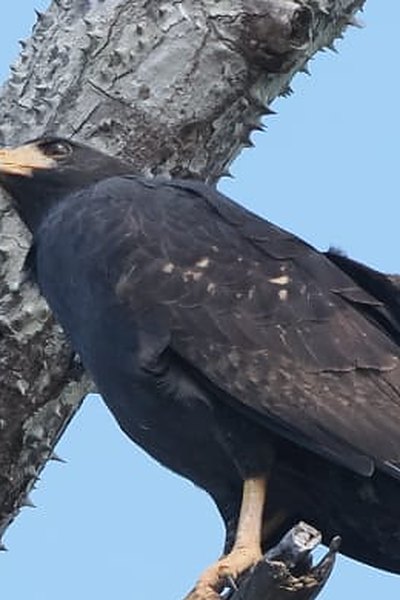
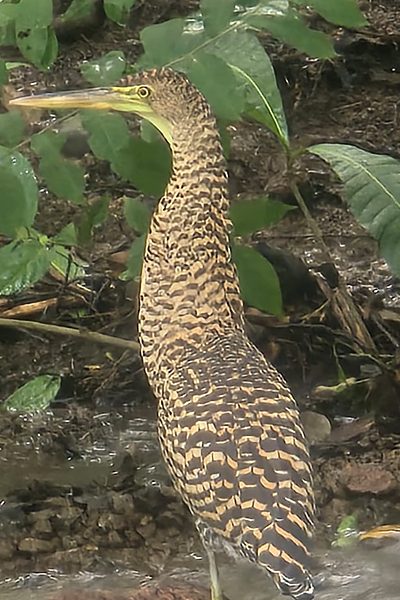
Black Hawks & Tiger Herons
Buteogallus & Tigrisoma spp.Regular presences along the creek margins and coastal edge, hunting crabs, fish, and small vertebrates in the live water that runs year round.
Four Creek Trails, Four Different Worlds
What sets Los Buzos apart is the variety packed into one property. Each trail follows a live creek that holds water even at the height of the dry season.
The Waterfall Trail
Tropical Royal Flycatcher · White Hawk · TrogonsThe showpiece trail, running along the edge of two mountains with deep shade and consistent humidity. A visiting naturalist called it "bursting with birds" even mid-morning. Accessible for all ages, a strong starting point for any visit.
The Creek Trail
Spectacled Owl (resident) · Great Green Macaw · FlycatchersForested slope on one side, open cattle pasture on the other. A Spectacled Owl has held territory here for over a year, and Salamine Creek recorded one of the highest Great Green Macaw census densities in Panama.
The Mono Titi Trail
Crimson-crested Woodpecker · Motmots · White-faced CapuchinsNamed for the capuchin monkeys sharing the same fruiting trees as the birds. More humid and lush, with the character of rainforest gallery forest. A favorite for families and younger visitors.
The Ocean Trail
Black Hawks · Gray-headed Chachalaca · Migratory shorebirdsDescends through serpentine ravines from the forest foothills to the Pacific coast, opening up a new set of species where dry forest meets coastal edge.

Birding by Horseback
One of the more unusual ways to experience the birding here is from horseback. The elevated vantage point changes what you see, and how the birds respond. Horses move quietly through the forest and are a familiar presence in the Azuero countryside, so species that would flush from a walking visitor often hold their position as a horse passes.
Canopy species and raptors in particular, toucans, white hawks, black hawks, and macaws, are well suited to horseback observation from the open ridge sections.
See our Equestrian Trail Riding Package →When to Visit
Dry Season
The most productive window for forest birding. Deciduous trees shed their leaves, opening the canopy and making birds far easier to spot and photograph. Trails are dry and firm. Also prime season for offshore fishing, with Yellowfin Tuna and Roosterfish at their most abundant.
Green Season
The forest turns lush and dense. Breeding behavior, hummingbird activity, and nesting are at their most active. August is special: migratory shorebirds pass through, and humpback whale watching peaks as both hemispheres' populations overlap.
What to Bring
- Binoculars, 8x42 or 10x42 waterproof
- Current Panama field guide
- Lightweight, moisture-wicking clothing in neutral tones
- Sturdy closed-toe shoes or waterproof hiking boots
- Spotting scope for raptors and canopy species
- Sunscreen and insect repellent
- Reusable water bottle
- Camera with telephoto lens
Beyond the Forest: Wild Coast Wildlife
The birding doesn't stop at the forest edge. The Wild Coast of the Azuero Peninsula is one of the most biologically rich marine environments in the Eastern Pacific.
Humpback whales, with Northern and Southern Hemisphere populations overlapping in August, one of Panama's best whale watching windows.
Spinner and bottlenose dolphins, regular presences on panga excursions.
Olive Ridley, Leatherback, and Hawksbill sea turtles nesting along Azuero beaches.
Southbound and northbound migratory shorebirds moving through the Azuero coastal zone.
Magnificent Frigatebirds, Brown Boobies, terns, and pelicans on the water.
Frequently Asked Questions
What is the best time of year for birding at Los Buzos?
Dry Season (December to April) offers the best forest visibility as the canopy opens up. August is special for birders who also want coastal wildlife: migratory shorebirds pass through, and the humpback whale overlap between hemispheres peaks.
What bird species are confirmed on the Los Buzos trails?
A visiting professional naturalist documented a resident Tropical Royal Flycatcher pair, a long-established Spectacled Owl, active White Hawk hunting behavior, and species including Crimson-crested Woodpecker, Little Tinamou, Striated Heron, Gray-headed Chachalaca, Social Flycatcher, toucans, motmots, trogons, black hawks, and Great Green Macaws.
Is this a good destination for families with children?
Yes. The trail system is accessible across a range of ages and fitness levels. The Mono Titi Trail is popular with younger visitors for the capuchin monkey sightings alongside the birding, and horseback options are available. Whale watching, turtle observation, and dolphin encounters round out the family experience.
Can I bird from horseback?
Yes. The trail network was built for both foot and horse travel. Horseback birding offers an elevated canopy view, a quieter approach through the forest, and better coverage of the ridge sections where raptors and canopy species concentrate.
What makes the trail system at Los Buzos unique?
Four distinct creek-fed trails, each sustaining its own micro-ecosystem and bird community. Live water in all four creeks, maintained even at the height of the dry season, creates wildlife corridors that support resident species year round. That concentration of variety on a single private property is rare anywhere in Central America.
Are expert guides available?
Yes. Local guides know the trails and resident species, including where the Spectacled Owl is currently holding territory. Share your target species list in advance and they'll plan around it.
Reserve Your Spot for the 2026 Season
Family-owned and family-friendly, with expert local guides, comfortable accommodations, and direct access to four trail systems and the Wild Coast of the Azuero Peninsula.
Make Your Reservation