

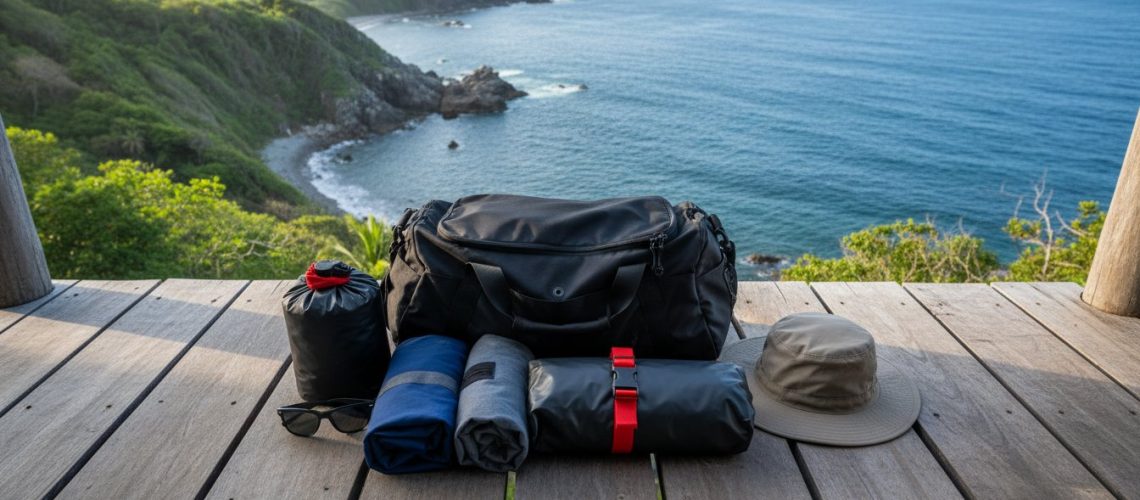
Your high-end technical shell will fail you when the humidity hits 95 percent on the Wild Coast. Panama’s wild environment eats gear for breakfast, and knowing exactly what to pack for Panama is the difference between a legendary expedition and a damp, itchy disaster. You’ve probably felt the frustration of clothes that never dry or the sting of a tropical downpour that ruins your electronics in seconds. We understand that the remote waters of the Azuero Peninsula demand more than just standard travel gear; they demand a tactical kit designed for the hunt.
This guide provides a curated, expert-led checklist of technical gear that actually works in 2026. You’ll gain the confidence to handle remote environments with an efficient, single-duffel setup that prioritizes performance over bulk. We’re breaking down the essential moisture-wicking layers, specialized sun protection, and rugged storage solutions needed to master the legendary elements of the Panamanian coast and join the elite circle of adventurers who thrive in the wild.
Key Takeaways
-
Conquer the 90% humidity of the Wild Coast by prioritizing high-performance UPF 50+ tech shirts and ripstop fabrics over standard cotton.
-
Protect your mission-critical hardware with a tactical multi-size dry bag system and lens-specific polarized optics designed for Panama’s shifting light.
-
Master what to pack for Panama by swapping rigid suitcases for soft-sided duffels that endure the grit and grind of remote jungle expeditions.
-
Deploy a specialized tropical survival kit featuring high-intensity bug defense and reef-safe sunblock to shield your skin and the primal ocean environment.
-
Streamline your adventure readiness using the "Roll and Compress" method to maximize space for essential gear and trophy-hunting accessories.
Table of Contents
Understanding the Panamanian Environment: Why Gear Matters
Panama isn’t just a destination; it’s a relentless test of your equipment. When you’re offshore chasing trophy species on the Wild Coast, the environment hits you with everything at once. Understanding Panama’s tropical climate is the first step in deciding what to pack for Panama. Humidity levels regularly hit 90% or higher. In this environment, "breathable" isn’t a marketing buzzword; it’s a survival requirement. Standard cotton shirts turn into heavy, sodden rags that refuse to dry, leading to skin irritation and heat exhaustion. The sun is a predator here, and your gear is your only shield.
The microclimates here are diverse. You might start your day on a sun-drenched beach in the Azuero Peninsula and end it trekking through a primal rainforest where the canopy traps every ounce of moisture. Your 2026 packing philosophy must account for the distinct seasons. During the "Dry Season" from December to April, the trade winds howl, requiring gear that blocks wind-driven salt spray. In the "Rainy Season" from May to November, you’ll face daily deluges that demand high-performance waterproofing. Forget natural fibers. Synthetic blends and treated fabrics are the only tools for the job. Cotton is a liability that holds water and breeds bacteria.
The Humidity Factor and Drying Times
Natural fibers fail because they absorb moisture and hold it. In the tropics, a cotton t-shirt can stay damp for three days. Look for "quick-dry" ratings that specify moisture-wicking capabilities. If you’re moving between remote camps or jumping on a panga, you’ll often have to pack gear that’s still slightly damp. Use ventilated mesh bags to prevent mold. Every piece of clothing must be able to dry completely overnight in a non-air-conditioned environment. If it doesn’t dry in six hours, it doesn’t belong in your bag.
Sun Intensity on the Equator
The UV index in Panama frequently peaks at 11 or higher, which is categorized as extreme by meteorological standards. Standard sunscreen often washes away during high-octane adventures like vertical jigging or kayak launching. Physical barriers are far superior to chemical ones. Invest in UPF 50+ long-sleeve performance shirts and neck gaiters. These provide a constant shield that chemical lotions can’t match when you’re sweating or taking waves over the bow. Knowing what to pack for Panama means prioritizing skin protection before you even leave the dock. Don’t rely on a bottle of lotion to save you from an equatorial burn.
-
Humidity: 90% average in coastal regions.
-
UV Index: Regularly hits 11+ between 10:00 AM and 3:00 PM.
-
Dry Season: December to April (High winds, low to no rain).
-
Rainy Season: May to November (More rain, calm seas).
The Technical Apparel Checklist: Performance Over Fashion
Forget the resort wear. If you are planning what to pack for Panama in 2026, prioritize utility over aesthetics. The humidity on the Azuero Peninsula averages 85% year-round, and the UV index frequently hits 11+ by mid-morning. You need gear that breathes, protects, and dries before the next tide. This is about survival and performance in a primal environment.
-
UPF 50+ long-sleeve tech shirts: These are your primary uniform. They block 98% of skin-damaging radiation and provide a barrier against stinging jellyfish or sea spray during long runs offshore.
-
Ripstop trousers vs. tactical shorts: While shorts offer comfort on the boat, long ripstop trousers are mandatory for jungle trekking. They protect against thorns and biting insects found in dense brush.
-
Moisture-wicking base layers: Synthetic blends prevent the "salt-grind" chafing that can end a trip early. Look for seamless designs that move with your body during high-intensity paddling.
-
Headwear strategy: A wide-brimmed hat provides 360-degree coverage for your ears and neck. Pair this with Category 3 polarized optics to cut the glare and spot trophy species moving through the surf.
Technical Clothing for the Wild Coast
By 2026, recycled polyester and nylon blends have become the industry standard for the Wild Coast. These materials shed water instantly and resist the abrasive scales of a hard-fighting Cubera Snapper. If you are on a budget, you don’t have to break the bank at an outfitter. Your local big box store will have racks of affordable polyester tees, shorts, and more that fit the bill.
Heavy leather hiking boots are a liability in the jungle; they soak up 2 pounds of water and rot in the humidity. Choose drainable adventure sneakers with high-grip, non-marking soles. You need maximum traction on slippery panga decks and the ability to transition directly into the water during a beach launch. These hybrid shoes allow water to exit through mesh ports, keeping your feet light and preventing blisters. For those ready to test their mettle against legendary Pacific predators, having the right footing is just as critical as your drag setting. Of course pack your favorite flip flops for lounging around the lodge or camp. Shorts and flip flops are the norm at local restaurants and bars. You can find more expert gear recommendations at losbuzos.com to ensure you’re fully prepared for the strike.
The Adventure Gear Arsenal: Essential Hardware
Survival on Panama’s Wild Coast requires more than just luck; it demands specialized hardware that thrives in high-humidity, high-salt environments. When you are miles from the nearest paved road, your gear is your lifeline. Knowing what to pack for Panama means prioritizing durability over aesthetics. Every piece of equipment in your kit must earn its place by surviving the relentless tropical elements.
Pack a multi-size dry bag system to organize your essentials. A 5L bag is perfect for protecting terminal tackle, your radio, and a smartphone. Upgrade to a 30L roll-top bag for your dry clothes, emergency layers, and rain shell. This modular approach ensures that if one bag takes a dunking, the rest of your gear remains bone-dry. Stick to heavy-duty PVC or 500D waterproof materials that resist punctures from fish hooks or jagged rocks.
Polarized optics are non-negotiable for spotting trophy species and navigating reef structures. Don’t settle for generic lenses. For offshore expeditions where the sun is relentless, blue mirror lenses provide the highest contrast. If you are targeting the inshore reefs, amber or green mirror lenses are superior for tracking movement in shifting shadows. These lenses don’t just protect your eyes; they are a tactical tool for every serious angler.
Power management is another critical factor. Bring a 20,000mAh ruggedized power bank with an IP67 rating. This ensures your devices stay charged during multi-day remote excursions. Pair this with a reusable water bottle. These bottles eliminate the need for single-use plastic and save you the $2.50 to $4.00 price tag per bottle found at remote outposts. More importantly, they protect the pristine environment of the Wild Coast from plastic pollution.
Waterproofing Your Electronics
Salt spray is the silent killer of adventure electronics. Use hard-shell cases for expensive mirrorless cameras and soft, touch-capacitive dry sleeves for smartphones. Even "waterproof" phones fail when salt crusts over charging ports. Always wipe down your gear with a damp fresh-water cloth at the end of every day. This simple maintenance step prevents the $500 repair bills caused by salt-induced corrosion on your charging pins and buttons.
Optics and Navigation
Equip yourself with 8×42 waterproof binoculars to track bait balls and humpback whales during their July through October migration and to check off your list some of the rare birds found in Parque Los Buzos. This hardware is a vital part of what to pack for Panama if you want to see the action before it happens. Never rely on cellular signals for navigation. Download offline maps for the entire Azuero Peninsula on a dedicated GPS app. Finally, choose a 300-lumen headlamp over a flashlight. It keeps your hands free for rigging lures or prepping your kayak in the 5:00 AM darkness before a world-class launch.
Health, Skin, and the Tropical Survival Kit
Panama’s Wild Coast is a primal landscape that demands respect. The sun is a hammer, the humidity is a sponge, and the local insect population is always hungry. If you want to stay in the fight for a trophy Marlin or a legendary Cubera Snapper, your body needs a defense system. Knowing exactly what to pack for Panama means preparing for a high-moisture environment where a small scratch can become a problem in 24 hours. You aren’t just packing for comfort; you’re packing for operational readiness.
-
Bug Defense: Pack 20% Picaridin for your daily routine. It’s effective against mosquitoes and won’t melt your expensive fly lines or plastic tackle boxes like DEET does. For the deep jungle, keep a small bottle of 30% DEET as a tactical backup for extreme conditions.
-
Reef-Safe Sunblock: Protect the ocean that provides the hunt. Use non-nano zinc oxide formulas with at least SPF 50. Avoid oxybenzone and octinoxate, which are known to bleach the very reefs you’re fishing.
-
Adventure First Aid: Move beyond basic bandages. Pack a 10ml irrigation syringe for flushing salt and sand out of wounds, liquid bandage for high-movement areas, and a broad-spectrum antibiotic ointment.
-
Hydration Salts: Water alone won’t save you when you’re sweating out liters in 90-degree heat. Pack electrolyte powders with at least 500mg of sodium per serving to maintain peak cognitive and physical performance during a long day on the kayak.
Skin Maintenance in High Humidity
Humidity on the Azuero Peninsula often sits above 85%. This creates a breeding ground for "jungle rot" and fungal infections. Keep your feet dry and change your socks the moment you return to camp. Use a quality oil instead of talc in high-friction zones to prevent chafing before it starts, and a small tube of Desitin is your friend if chafing sets in. Every minor cut or scrape is an entry point for bacteria in this environment. Clean wounds with fresh water and antiseptic immediately. Bacteria can colonize a wound in less than 6 hours in these conditions.
Insect Protection Strategy
The secret weapon against "no-see-ums" or "chitras" is Permethrin. Treat your long-sleeved fishing shirts and pants with a Permethrin spray at least 48 hours before you fly. This treatment lasts through 6 washes and provides a silent shield against biting flies. Timing is your second line of defense. Avoid the beach at dawn and dusk when the wind drops, as this is when biting insects are most active. If you prefer natural options, lemon eucalyptus oil is the only plant-based repellent recognized by the CDC for effectiveness, though it requires application every 2 hours.
When you refine your list of what to pack for Panama, prioritize these medical essentials to ensure you spend your time on the water, not in a clinic. You’re here for the adventure of a lifetime, so don’t let a preventable infection sideline your pursuit of a world-class catch.
Ready to test your mettle against the giants of the Pacific? Book your world-class kayak fishing expedition at Los Buzos today.
Tactical Packing Strategy: Efficiency and Readiness
Mastering what to pack for Panama requires a shift in mindset from tourist to tactical operator. The Wild Coast doesn’t care about designer labels or rigid suitcases. Success in the remote reaches of the Azuero Peninsula depends on gear that’s mobile, durable, and organized. Ditch the hard-shell rolling bags. They’re a liability when you’re loading into a panga or a small charter plane. Instead, choose high-quality, water-resistant duffels. These soft-sided containers flex into tight cargo holds and survive the high-humidity environment of the tropics much better than structured luggage.
Efficiency starts with the roll and compress method. Rolling your performance sun hoodies and technical shorts instead of folding them can save up to 30 percent of your internal bag volume. Use mesh packing cubes to categorize your gear: one for daily fishing apparel, one for evening wear, and one for electronics. This system ensures you aren’t digging through a chaotic mess at 4:00 AM when the tuna are calling. Your night-before-departure ritual should be sacred. Lay out your passport, printed travel insurance, and at least $500 in small USD denominations. Panama is modern, and most locations take Mastercard and Visa, but some small vendors and remote locations still run on cash for small purchases and gratuities. Double-check your digital backups; store photos of your ID and vaccination records in a secure cloud folder and offline on your phone.
Luggage for Remote Transport
Weight is your primary constraint when heading deep into the jungle. Small regional aircraft often enforce a strict 30-pound limit for checked bags. Soft-sided duffels are mandatory because they can be wedged into the irregular cargo pods of a Cessna or stacked safely in the bow of a panga. Deploy a dedicated day pack for your high-value essentials. Keep your reels, polarized optics, and primary camera gear on your person during transit. For a detailed breakdown of the logistics involved in reaching our remote outpost, consult our guide on How to Get to Cambutal, Panama: The Adventurer’s Tactical Travel Guide (2026).
The Los Buzos Standard: Preparing for the Hunt
When you’re prepping for Kayak Fishing Panama, every ounce of weight must earn its place in your bag. Leave the city clothes behind. You won’t need a suit or formal shoes in Cambutal. We prioritize utility and protection from the elements. Focus on high-SPF fabrics and quick-dry materials that can handle the salt and sun of a 7-hour day on the water. When finalizing your list of what to pack for Panama, prioritize gear that serves multiple purposes. This isn’t just a vacation; it’s an expedition. Join the elite circle of world-class adventurers who understand that the right preparation is the difference between a good trip and a legendary one. The hunt is waiting. Pack like you mean it.
Dominate the Pacific Frontier
Preparation is the line between a standard trip and a legendary expedition. You now understand that technical performance apparel is your primary shield against the tropical sun, while tactical hardware ensures you’re ready when a trophy species hits your line. Mastering what to pack for Panama is your first victory before you even step off the plane. Since 2012, our expert guides have navigated these remote waters, proving that the right gear turns a challenge into a triumph. Don’t settle for gear that fails when the pressure is on in 2026.
Los Buzos offers more than a fishing trip; it’s a deep dive into an untouched wilderness. Our all-inclusive packages handle the logistics so you can focus on the hunt within our 400-acre private nature reserve. Experience the raw intensity of the Wild Coast with a team that lives for the strike. The ocean doesn’t make promises, but we’ve spent over a decade delivering world-class results for those brave enough to launch into the surf.
Book Your World-Class Adventure at Los Buzos Today
Lock in your dates and prepare for the battle of a lifetime. We’ll see you at the launch.
Frequently Asked Questions
Is it better to bring a suitcase or a backpack to Panama?
Choose a 60-liter waterproof duffel or a rugged backpack. Panama’s Wild Coast isn’t paved for rolling luggage. You’ll navigate panga transfers and gravel paths where wheels fail. A soft-sided bag fits better in small transfer vans, planes, and 4×4 vehicles. When deciding what to pack for Panama, prioritize mobility. Keep your gear light and ready for the next move across the rugged coastline.
What is the most important item to pack for a Panama fishing trip?
High-performance, UPF 50+ sun protection is your most critical asset. The equatorial sun hits 100% harder when reflected off the Pacific. Bring a hooded solar shirt and a breathable face gaiter. Without these, a single day of vertical jigging can end in a trip-ruining burn. Don’t underestimate the intensity of the tropical heat. It’s the difference between a legendary week and a painful recovery.
Do I need to bring my own fishing gear to Los Buzos?
You don’t need to haul heavy rod tubes across borders. Los Buzos provides world-class Penn and Shimano setups specifically rigged for trophy species. We maintain a fleet of over 20 fully equipped kayaks for every guest. If you have a lucky jig or a specific 80-pound braid preference, bring your terminal tackle, but leave the heavy lifting to us. We’ve got the specialized gear covered. All panga packages include your gear and kayak packages offer it as an optional extra.
How many pairs of shoes should I pack for a week in Panama?
Pack exactly three pairs of footwear. You need drainable water shoes for the kayak or panga, a second similar pair suited for the jungle trails, and flip-flops for the lodge. Wet feet lead to blisters, so rotate your gear. Ensure your water shoes have a thick 10 mm sole to protect against sharp volcanic rock during shore landings. This setup covers 100 percent of your terrain needs from beach to boat.
Can I find laundry services in remote areas of Panama?
Professional lodges like Los Buzos offer laundry services to keep your kit fresh between sessions. In most remote villages, formal services are non-existent. Pack quick-dry fabrics that you can hand-wash and hang. Humidity levels often exceed 85 percent, so cotton takes 48 hours to dry. Stick to synthetics to ensure your gear stays light and functional throughout your week-long adventure on the Wild Coast.
What kind of power adapter do I need for Panamanian outlets?
Panama uses Type A and Type B electrical outlets, the same standard found in the United States and Canada. The 110V current supports your standard chargers. If you’re coming from Europe or Australia, you’ll need a flat-pin adapter. Knowing what to pack for Panama includes ensuring your action cameras stay charged for every legendary catch. Don’t miss a single frame of the high-octane action.
Is there anything I should specifically NOT pack for Panama?
Leave the camouflage clothing at home. Panamanian Law 18 of 1997 restricts camo patterns to military and police personnel. Skip the heavy denim jeans too. They never dry in the 85 percent humidity and add 2 pounds of unnecessary weight to your bag. Avoid bringing high-value jewelry or flashy items that don’t serve a purpose on a rugged offshore expedition. Focus on functional performance instead.
How do I protect my camera gear from the intense Panamanian humidity?
Combat the 90 percent humidity by using airtight dry bags and rechargeable silica gel desiccant packs. Store your lenses in sealed containers when not in use. Sudden temperature changes from air-conditioned rooms to the humid outdoors cause instant fogging. Give your gear 20 minutes to acclimate before you start shooting the primal beauty of the coast. This prevents internal moisture from ruining your expensive electronics.