

You don’t just hook a roosterfish; you enter a high-stakes battle of endurance against one of the ocean’s most calculated predators. While many anglers arrive with dreams of glory, 70% of them return home with nothing but stories of broken lines because they didn’t understand the nuances of roosterfish fishing in Panama. You know that landing a trophy requires more than luck. It demands a deep respect for the rugged terrain of the Wild Coast and an obsession with the details that separate a casual hobbyist from a seasoned hunter.
This guide is your tactical blueprint to master the hunt and finally land that 50lb+ monster you’ve been chasing. We’ve stripped away the fluff to provide a gritty, hands-on look at the exact gear, timing, and topwater popping techniques used by the experts at Los Buzos. You’ll learn how to navigate the remote waters of the Azuero Peninsula, identify the prime lunar windows for maximum aggression, and rig your tackle to withstand the primal power of a world-class strike. It’s time to stop dreaming and start planning your ultimate expedition into the heart of the hunt.
Key Takeaways
-
Identify the legendary "comb" and learn why Panama’s Wild Coast is the undisputed world capital for this primal inshore species.
-
Master the tactical approach to roosterfish fishing panama by hunting submerged high spots and selecting the live blue runners or bonito that trophy fish can’t resist.
-
Dial in your gear with medium-heavy spinning tackle and high-speed reels built to handle the bone-jarring power of a sudden, deep-water run.
-
Prepare for the "Sleigh Ride" of a lifetime as you learn the specialized techniques for landing a massive roosterfish from a 13-foot kayak.
-
Secure your bucket-list catch by identifying peak seasonal windows and mastering the ethical release practices that protect our legendary waters.
Table of Contents
What is a Roosterfish and Why is Panama the World Capital?
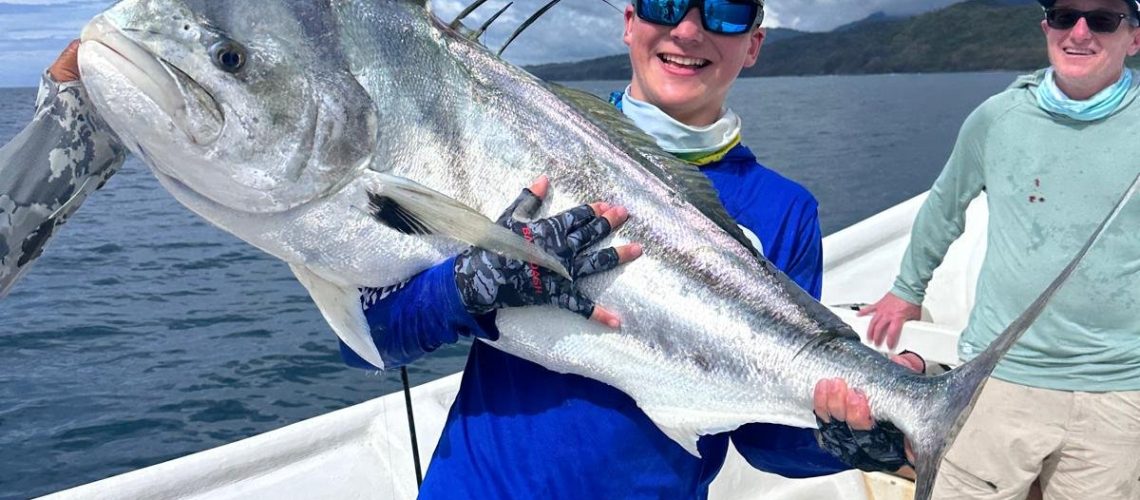
You see the "comb" slicing through the surface tension before you ever feel the strike. That iconic seven-stranded dorsal fin belongs to the Roosterfish (Nematistius pectoralis), a species that defines the raw, unbridled power of the Eastern Pacific. It isn’t just a fish; it’s a primal encounter that tests the limits of your tackle and your resolve. Panama’s volcanic coastline serves as the global epicenter for these predators, offering the jagged structure and deep-water access they need to thrive. For any serious angler, roosterfish fishing panama represents the ultimate test of grit and technique in an environment that remains largely untouched by the modern world.
The Anatomy of a Predator
Roosterfish are built for high-speed interception and brutal endurance. Their streamlined, silver-and-black bodies house a massive lateral line system that detects the minute vibrations of a fleeing sardine or mullet from a distance. When they’re in hunting mode, that famous comb stands erect, signaling aggression and focus to anything in the strike zone. It’s a visual warning that a violent battle is imminent. These fish don’t just bite; they explode on the bait, often chasing it right to the edge of the rocks or the side of your kayak.
-
Dorsal Comb: Seven long, retractable spines used for stabilization during high-speed turns and as a threat display.
-
Lateral Line: Highly sensitive sensory organs that allow them to hunt effectively in the turbulent wash of the surf zone.
-
Speed-Oriented Frame: A deeply forked tail and muscular midsection designed for rapid bursts of speed.
Anglers should respect the resource by practicing catch and release, as the roosterfish is a non-edible, pure sport species with dark, oily meat that holds no culinary value.
Panama’s Wild Coast Advantage
The geography of the "Wild Coast" is what separates Panama from every other destination on the map. Submerged volcanic pinnacles and steep drop-offs create a playground for trophy-sized specimens that frequently exceed 50 or 60 pounds. Because these remote regions lack the heavy commercial pressure found in more accessible coastal waters, the fish grow larger and live longer. This untouched environment is the primary reason why the fish in Panama reach legendary proportions.
You aren’t just fishing over featureless sand flats here; you’re hunting over complex rock structures where a 100-pound monster could be lurking just 20 feet below your hull. This combination of deep-water proximity and abundant baitfish makes Panama the undisputed world capital for the species. Planning your roosterfish fishing panama expedition means preparing for a world-class struggle against a fish that never knows when to quit. It’s a bucket-list anchor that brings the world’s most elite anglers to our shores year after year.
Tactical Guide: How to Target Trophy Roosterfish
Hunting the comb-crested predator requires more than luck. It demands a tactical mindset and local knowledge. Master the terrain first by locating the high spots. Success starts with finding the submerged pinnacles and jagged rock piles where current seams collide. These are the primary ambush points. According to the Roosterfish (Nematistius pectoralis) Species Profile, these apex predators dominate the nearshore reefs of the Eastern Pacific. Once you mark the structure, choose your weapon carefully.
For 50-pound trophies, a live 2-pound bonito is the gold standard. While blue runners and moonfish are reliable, big roosters hunt for substantial meals. Position your craft up-current and kill the noise. Approach the strike zone with zero hull slap. When the hit comes, it is a violent smash and turn. Don’t jerk the rod immediately. Let the fish turn, feel the weight and take a good run, and then engage set the circle hook firmly. Once you’re engaged, prepare for a vertical battle. Use the short pump technique. Keep the rod tip low and take every inch of line the fish gives you. This is a game of leverage, not just raw strength. This tactical approach is essential for successful roosterfish fishing panama.
Live Baiting vs. Topwater Popping
Slow trolling a live bonito at 1 to 2 knots is the most effective way to land a legendary rooster. The vibration of a distressed bait is irresistible to large hunters. If you crave a visual explosion, throw a large popper or stickbait into the wash. Stick to blue, silver, or white patterns to match the local forage in Panama’s clear waters. The sight of a dorsal fin slicing through a swell behind your lure is pure adrenaline. It is the peak of roosterfish fishing panama excitement.
Stealth and Positioning
Noise is the enemy. On the Wild Coast, even a dropped plier can spook a school in shallow water. Use the wind and tide to drift naturally over the strike zone. This silent entry is why kayak fishing Panama offers such a massive advantage. You aren’t just fishing; you’re part of the environment. You can reach the shallow, rocky wash where motorized boats fear to go. This proximity allows for a surgical presentation that most anglers never experience. Before committing to your vessel of choice, understanding the core differences in a kayak vs panga fishing scenario will help you select the right platform for your specific hunting style and physical capabilities.
Ready to test your skills against the kings of the reef? Join us for a world class expedition and experience the primal hunt for yourself.
The Essential Gear for Roosterfish Fishing in Panama
Success on the Wild Coast isn’t about luck; it’s about bringing the right weapons to a high-stakes encounter. When you’re roosterfish fishing panama, your gear must withstand explosive strikes and relentless, bone-deep runs. Medium-heavy to heavy spinning tackle is non-negotiable. These fish utilize the surf zone and jagged rocky outcroppings to their advantage, meaning you need the backbone to turn a 70-pound beast before it reaches cover. High-speed reels are your best friend. They allow you to recover line instantly when a rooster decides to charge your position after a long, screaming run.
Balance is everything in this environment. You need the raw strength of braided line paired with the stealth of fluorocarbon. Braided line provides the sensitivity to feel every tap, while a heavy fluorocarbon leader offers the abrasion resistance needed against volcanic rock. Scientific data regarding roosterfish behavior in coastal Panama shows that these predators are highly mobile and frequently dive deep during the fight, making your choice of line a critical factor in whether you land a trophy or tell a heartbreak story. Safety is just as vital in these remote offshore environments. Always have someone tracking you with a Garmin In Reach and wear a specialized high-mobility PFD designed for the physical demands of kayak fishing.
Rods and Reels for the Wild Coast
Load your reels with 40lb to 65lb braid to handle the tension of a primal hunt. You’ll need a reel capable of delivering at least 30lbs of drag to stop a massive fish from peeling off into the reef. Match this power with a rod between 7’0" and 8’0" in length. This specific range provides the necessary casting distance to reach boiling bait balls while maintaining the leverage required to win a vertical battle when roosterfish fishing panama.
Terminal Tackle and Lures
Standard hooks won’t cut it. You must swap out factory hardware for 3X or 4X strong treble hooks to prevent them from bending under the sheer pressure of a trophy’s jaw. Your tackle box should be stocked with specific tools for the job:
-
Large Poppers: These create the massive surface disturbance needed to trigger aggressive strikes.
-
Sinking Stickbaits: Ideal for reaching fish holding mid-water or in heavy current.
-
Heavy Jigs: Essential for targeting roosters when they’re feeding near the bottom structure.
If you’re live baiting, circle hooks are mandatory. They ensure a corner-of-the-mouth hookup, which is vital for the safe release of these legendary predators and the health of the local fishery.
The Kayak Battle: Why It’s the Ultimate Roosterfish Experience
Nothing compares to the moment a trophy roosterfish realizes it’s hooked. In a panga, you’re a spectator on a platform; in a kayak, you’re part of the physics. When a 50-pound predator surges, your 13-foot plastic hull becomes a projectile. This is the legendary "Panama Sleigh Ride." The fish doesn’t just pull line; it pulls you, the boat, and your gear across the Pacific surface. This direct connection levels the playing field, turning roosterfish fishing panama into a raw, muscular engagement where every head shake vibrates through your seat. For anglers weighing their options, a detailed breakdown of kayak vs panga fishing reveals exactly how each vessel performs when a trophy fish is on the line and the drag starts screaming.
Safety remains the foundation of these high-octane hunts. While the experience feels wild, it’s strictly managed by professional guides who maintain a close radius around the group. These experts utilize VHF radios and high-visibility kayaks to ensure every angler is monitored. This oversight allows you to focus entirely on the hunt, even when navigating the "wash" zones. These turbulent, oxygen-rich areas near jagged volcanic rocks are where roosters thrive. A traditional boat cannot risk entering these three-foot depths, but a kayak slips right into the strike zone, giving you access to fish that have never seen a lure.
Mechanics of the Kayak Fight
Success in a kayak requires tactical positioning. You don’t just crank the reel; you use the boat’s mobility to your advantage. By angling the kayak, you can use the hull’s resistance to tire the fish faster than a stationary boat ever could. It’s vital to "clear the deck" before the final stages of the battle. Any loose pliers, crates, or secondary rods become hazards when a massive rooster makes its final dive under the hull. Landing a fish from a seated position involves a calculated "lip-grip" or a tail-grab, keeping the center of gravity low to maintain stability. Quick, wet-handed releases ensure these prehistoric fighters return to the reef with 100% of their strength.
Primal Adventure vs. Traditional Charters
The biggest difference is the silence. Traditional charters rely on the constant thrum of diesel engines, which can spook wary fish in shallow water. In a kayak, you move with the rhythm of the swell. You hear the dorsal fin slice the water before the strike occurs. This stealth creates a psychological reward that a motorized boat cannot replicate. You aren’t just a passenger; you’re the engine, the navigator, and the angler. For those seeking this level of intensity with world-class support, the panama fishing resort experience provides the essential logistics, from Mothership transport to expert local knowledge, ensuring your focus stays on the fight.
Ready to feel the pull?
Book your offshore kayak expedition at Los Buzos today.
Planning Your Expedition: Timing, Ethics, and Logistics
Securing a trophy on the Wild Coast isn’t about luck. It’s about strategy. To master roosterfish fishing panama, you need to align your arrival with the rhythms of the Pacific. This isn’t a casual weekend trip; it’s a targeted strike on one of the world’s most formidable predators. You’re trading the comforts of the city for the raw, salt-sprayed reality of the Azuero Peninsula, and every detail of your planning should reflect that intensity.
Peak Seasons and Moon Cycles
The green season, spanning from June through November, offers the most consistent window for a successful hunt. During these months, the north winds subside and the rivers begin to run pushing nutrients out to sea creating a smorgasbord for baitfish and their predators. These fish are visual hunters prowling the edges of rocky reefs and shorelines hunting the clear, oxygenated surge to spot baitfish from the depths.
Tides dictate the tempo of the hunt. Panama experiences massive tidal swings, often reaching 18 to 20 feet in a single cycle. This massive movement of water flushes bait out of the rock pockets and creates ambush points around submerged pinnacles. For the best results, track the moon phases to ensure you’re fishing during periods of maximum water movement. New and full moons create the strongest currents, which often trigger the most aggressive feeding frenzies.
Conservation is the backbone of the Wild Coast. We view these fish as a precious, finite resource. Because roosterfish are slow-growing apex predators, we practice strict catch-and-release ethics. Protecting the ecosystem ensures that the legendary "comb" of a 60-pound rooster continues to break the surface for years to come. Every angler who joins us becomes a steward of this remote stretch of Pacific coastline.
Logistics require a shift in mindset. Your journey begins at Tocumen International Airport in Panama City and a quick taxi or Uber to one of our partner hotels. From there on Sunday morning, you’ll leave the skyscrapers behind for a six-hour trek into the heart of the Azuero Peninsula. It’s a transition from modern chaos to primal silence. The remote nature of the coast is exactly why the fishing remains world-class; it’s a place where the jungle meets the sea and the pressure remains low.
The Los Buzos All-Inclusive Advantage
We don’t just provide a place to sleep; we provide the ultimate tactical platform for the hunt. Our 400-acre private reserve serves as the gateway to the most productive waters in the region. We’ve stripped away the logistical headaches so you can focus entirely on the strike. Our operation is built on the expertise of professional guides who live and breathe these waters every day.
-
Elite Kayak Fleet: We utilize offshore capable Lightning Nomad and Hobie kayaks equipped with pedal drives, allowing you to maintain position in the current while keeping your hands free for the fight.
-
Guided Expertise: Our team knows every submerged rock and bait ball along the coast, putting you in the strike zone faster.
-
Remote Luxury: Experience the grit of the hunt by day and the comfort of a managed estate by night.
This is the pinnacle of kayak angling. If you’re ready to test your resolve against the king of the rocks, the Wild Coast is waiting. Don’t let another season pass without experiencing the raw power of the Pacific. Book your world-class roosterfish expedition today .
Claim Your Place on the Wild Coast
The hunt for a trophy roosterfish is a rite of passage that demands more than standard gear; it requires a primal connection to the water. You’ve learned why the Azuero Peninsula stands as the undisputed epicenter for this pursuit. Success here hinges on mastering the vertical jig and respecting the power of these prehistoric predators. When you’re eye-level with a 50 pound brute from the seat of a kayak, the experience transforms from a simple hobby into a life-defining battle. This is the raw reality of roosterfish fishing panama offers to those willing to test their limits.
We provide the ultimate platform for your success. Our fleet of 20 offshore kayaks ensures you’re fishing from the most stable, high-performance vessels available. You’ll be led by expert guides who possess a combined 50 years of experience navigating these specific rocky reefs and coastal currents. After the adrenaline fades, our lodge provides all-inclusive luxury and professional accommodations to help you recover for the next morning’s launch. The legendary combs of the Wild Coast are calling. Join the elite circle of anglers at Los Buzos, Book your package now!
The hunt of a lifetime is waiting just beyond the surf. We’ll see you on the water.
Frequently Asked Questions
Is roosterfish good to eat?
Avoid eating roosterfish because their meat is dark, oily, and notoriously tough. We treat this species as a 100% catch and release trophy to preserve the local population and maintain the health of the reef. Their true value lies in the primal, high-octane battle they provide on the water. Anglers prioritize the survival of these legendary fighters over a meal, ensuring the Wild Coast remains a world-class destination for generations.
How big do roosterfish get in Panama?
Panama produces trophy roosterfish that frequently exceed 50 pounds, with giants topping 80 to 100 pounds patrolling the rocky points. The current IGFA all tackle release world record is 52 inches captured at Los Buzos where the lodge record release is 58 inches. The dry January to May often produces wolfpacks of smaller fish in the 10 – 20 pound range with a lodge record day of 70 fish from 3 boats. But the trophy season is June through December when most of the record breakers are taken. Hooking a 60 pounder from a kayak provides a raw, visceral connection to the ocean that few other species can match.
What is the best time of year for roosterfish fishing in Panama?
Target the peak trophy season from June through November for the most consistent trophy action when roosterfish fishing panama. During these months, baitfish concentrate along the shoreline, drawing the predators into shallow, rocky zones where they become highly aggressive. The dry season offers variety along the rocky shoreline of the Cerro Hoya National Park where the lee of the mountains offers calmer seas out of the wind making it a great time to target Roosters by fly. The early green season brings explosive surface action. Every month in this window offers a legitimate shot at a personal best on the Wild Coast.
Can you catch roosterfish from the shore in Panama?
Catch roosterfish from the shore by casting heavy poppers or live bait into the surf zones where rocky ledges meet deep water. While shore based angling is possible, it limits your reach to a fraction of the prime hunting grounds available. Launching a kayak allows you to access remote, untouched honey holes that are impossible to reach by foot. This mobility puts you directly over the reef where the largest predators patrol the current seams.
What is the best lure for roosterfish?
Rig large surface poppers and sinking stickbaits between 6 and 9 inches to trigger the most aggressive strikes. These lures must create significant surface displacement and noise to grab the attention of a hunting rooster in the wash. Predators respond best to high speed retrieves that mimic a panicked baitfish fleeing for its life. For the ultimate adrenaline rush, nothing beats watching a massive comb break the surface as a trophy fish tracks your lure.
Is kayak fishing for roosterfish safe for beginners?
Kayak fishing for these powerful predators is safe for beginners when you launch with professional guides who understand the local currents. We use specialized, high stability kayaks and provide all necessary safety gear to navigate the Wild Coast effectively. While the hunt is physically demanding, our guides teach you the technical skills needed to land a trophy species safely. You don’t need prior experience, just a baseline level of fitness and a thirst for adventure.
How much does a roosterfish fishing trip in Panama cost?
Expect to pay between 2,500 and 3,750 dollars for a week long expedition focused on roosterfish fishing panama at a professional lodge. These rates typically cover your lodging, meals, guided panga support, and specialized fishing equipment designed for the rugged environment. Costs vary based on the accommodation options, group size, and the level of remote access provided by the operator. Investing in a professional outfit ensures you access the most productive, untouched waters with the highest quality gear.